Pet Dentistry
Your pet’s dental health is a vital part of their overall well-being. Dental disease is one of the most common conditions in dogs and cats, often going unnoticed until it becomes painful or advanced.
A Healthier Smile Starts Here
With regular veterinary dental care, we can prevent pain, detect issues early, and help pets across Toronto live longer, healthier, and more comfortable lives.
Why Veterinary Dental Care Matters
Your pet’s mouth is closely connected to their overall health. Dental disease doesn’t just affect teeth—it can impact the entire body.
- Prevents Pain and Infection: Dental disease can cause chronic pain, even if your pet continues to eat normally. Pets often hide discomfort, so issues may go unnoticed without regular intra-oral exams.
- Protects Whole-Body Health: Bacteria from the mouth can enter the bloodstream and affect organs like the heart, liver, and kidneys.
- Improves Quality of Life: Healthy teeth and gums allow your pet to eat, play, and interact comfortably without pain or irritation.
- Early Detection Saves Time and Cost: Routine dental exams help identify problems early, often preventing more complex and costly treatments later, including tooth loss and painful infections.
What’s Included in Veterinary Dental Care
Professional dental care goes beyond what you can see at home.
- Comprehensive Oral Exam: A complete evaluation of the teeth, gums, and structures below the gumline—areas where dental disease often develops—which can only be performed safely and thoroughly under anesthesia.
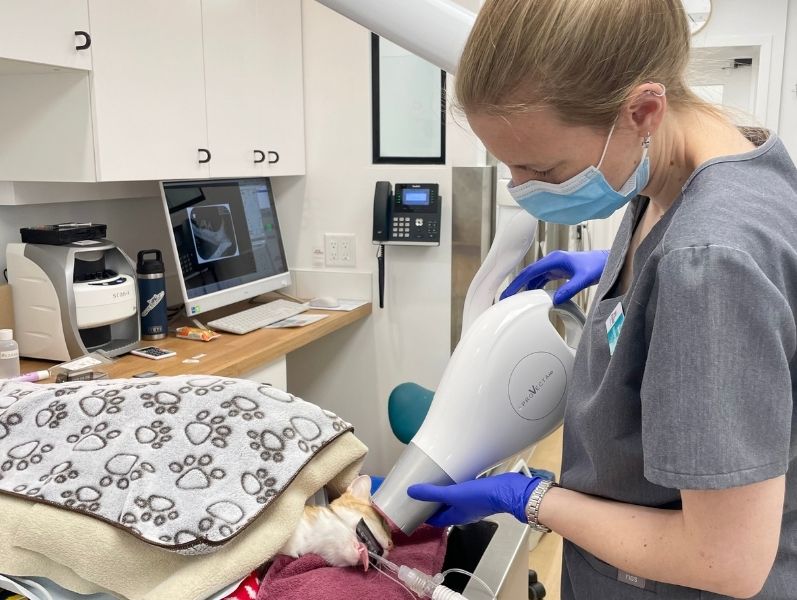
- Dental X-Rays (Radiographs): Help detect hidden issues—since much of dental disease occurs below the surface.
- Professional Cleaning: Removes plaque and tartar from both the tooth surfaces and below the gumline to help prevent infection and inflammation.
- Treatment When Needed: Additional procedures may be necessary, including extractions, infection management, care for damaged or diseased teeth, gingivectomy (to address gum overgrowth), and treatment of periodontal pockets to restore and maintain oral health.
Signs Your Pet May Need Dental Care
- Bad breath
- Red, swollen, or bleeding gums
- Difficulty chewing or dropping food
- Decreased appetite
- Pawing at the mouth
- Excessive drooling
- Yellow or brown tartar buildup
If you notice any of these signs, schedule an appointment with us promptly to address these concerns and prevent further complications.
Preventive Dental Care at Home
Daily care plays an important role in maintaining your pet’s oral health between visits:
- Brush your pet’s teeth regularly using veterinarian-approved, pet-safe enzymatic toothpaste—never use human toothpaste, which can be toxic to pets due to fluoride or xylitol.
- Offer veterinary-recommended dental chews or prescription diets to support your pet’s oral health.
- Bring your pet for routine wellness exams so we can monitor their oral health.
Regular brushing, along with dental chews and toys, helps reduce plaque and tartar buildup between visits. However, just like with people, even with excellent home care, professional dental cleanings and assessments remain essential for maintaining your pet’s optimal oral health.
Frequently Asked Questions
How common is dental disease in pets?
Does bad breath mean my pet has dental disease?
Why would my pet’s tooth need to be extracted?
For Dogs:
- Severe periodontal disease causing loose or infected teeth
- Fractured or broken teeth
- Tooth abscesses or infections
- Malformed, retained or unerupted teeth that affect chewing or bite alignment
For Cats:
- Tooth resorption (a common condition where the tooth structure breaks down)
- Severe periodontal disease
- Fractured or damaged teeth
- Chronic stomatitis or oral inflammation that doesn’t respond to other treatments
Extractions help your pet feel more comfortable, prevent infections, and support both oral and overall health.
Do pets need a preoperative appointment for a dental cleaning?
Yes. Because anesthesia is needed for a safe and thorough dental cleaning, we review your pet’s overall health beforehand. During the pre-operative appointment, our veterinarians perform any necessary pre-anesthetic blood work and, if possible, a preliminary oral assessment. This helps create a customized plan of care and reduces surprises on the day of the procedure. Some dental diseases may only be found during the anesthetized comprehensive exam, so additional treatment could be recommended at that time.
Why does my pet need anesthesia for dental cleaning?
How often does my pet need a dental cleaning?
Is dental care really necessary if my pet is eating normally?
Curious about the cost of your pet’s dental care in Toronto? Click the button below to view details for our Dental Assessment and Treatment, including dental X-rays.